
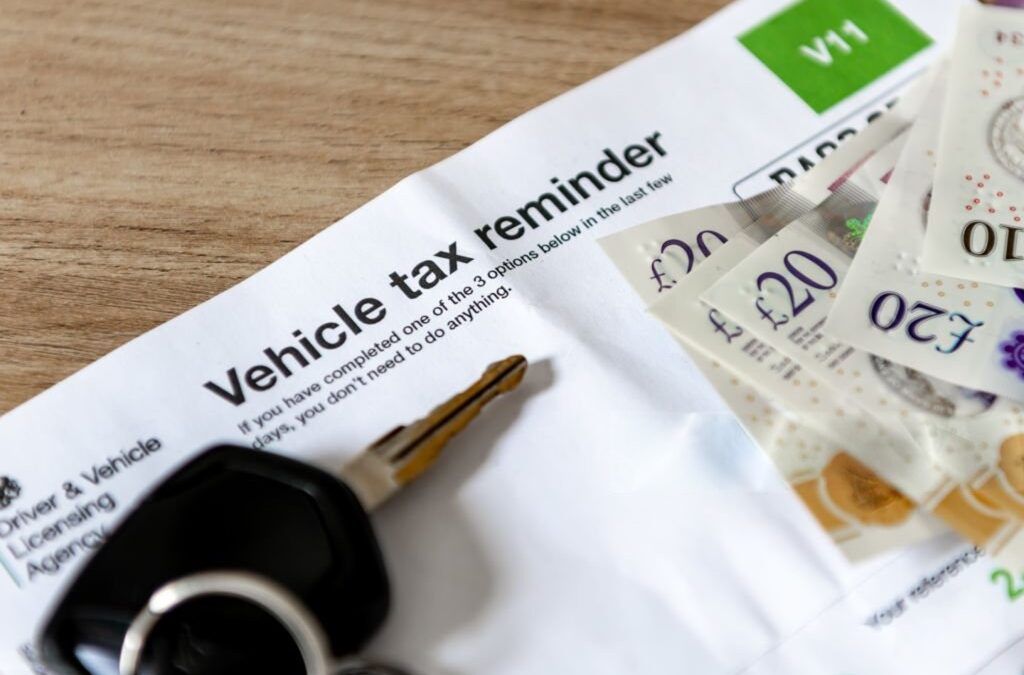
The UK government’s dramatic Vehicle Excise Duty reforms taking effect from April 2026 will fundamentally change the economics of car ownership for millions of drivers. Older family cars like a 2005 Volkswagen Golf R32 will face £760 annual tax bills, while a Ford Mondeo V6 will incur £735-£760 depending on specifications, creating situations where annual tax rivals or exceeds the vehicle’s actual market value.
Understanding these changes now, before they take effect on 1 April 2026, gives you a crucial window to make informed decisions about selling your vehicle while values remain relatively stable. This comprehensive guide explains exactly what’s changing, which vehicles face the biggest impacts, and why selling before April could save you thousands of pounds.
The 2026 Car Tax Revolution: What’s Actually Changing
Vehicle Excise Duty has undergone its most significant transformation in decades, with changes affecting virtually every category of vehicle on UK roads. The standard annual VED rate is rising from £195 to £200 for most newer car drivers, representing a modest increase that masks far more dramatic changes elsewhere in the system.
The first-year “showroom tax” for brand new high-emission vehicles represents the most headline-grabbing change. From April 2026, the highest first-year VED rate increases from £5,490 to £5,690, with around 59 car models falling into this top tax band. This charge applies only in the first year to new vehicle registrations, but signals the government’s aggressive push toward zero-emission motoring.
Electric vehicles lose their historic tax exemption, marking the end of an era for EV owners who’ve enjoyed free VED since these vehicles first appeared on UK roads. EVs registered from April 2026 will pay a first-year rate of £10, then move to the standard rate of £195 per year. While still considerably cheaper than combustion engine vehicles, this represents a fundamental shift in EV economics.
The expensive car supplement, commonly called the luxury car tax, sees significant adjustment for electric vehicles specifically. The threshold increases to £50,000 for zero-emission cars starting 1 April 2026, while petrol, diesel, and hybrid vehicles remain at the £40,000 threshold. This creates a £10,000 buffer zone where electric vehicles avoid the additional £425 annual charge that affects combustion engine equivalents.
Perhaps most significantly for current owners, vehicles registered between March 2001 and April 2017 face substantial increases based on their CO₂ emission bands. These cars, which many families rely on as affordable transport, now face tax bills that can make ownership economically questionable compared to their actual value.
Older Cars Hit Hardest: The Pre-2017 Tax Crisis
If you own a vehicle registered before April 2017, the 2026 changes deserve your immediate attention. These cars use a completely different VED structure based purely on CO₂ emissions, and the highest bands face eye-watering increases.
Vehicles emitting 226 to 255g/km are expected to see annual VED rise from £735 to £760, while vehicles emitting more than 255g/km are expected to rise from £750 to £790. For context, this includes many popular family cars from the 2000s and early 2010s that were considered perfectly reasonable choices when purchased but now face punitive taxation.
Real-world examples illustrate the crisis facing older vehicle owners. As Kent-based car dealer Wayne Lamport told The Telegraph, “A Jaguar X-Type might only be worth £1,000, but its tax is over £700. That math doesn’t work for buyers anymore”. This creates an impossible equation where the annual tax exceeds 70% of the vehicle’s total value, making these cars essentially unsellable in normal market conditions.
The list of affected vehicles extends far beyond luxury marques. Large family cars with V6 engines, older diesel SUVs that were marketed as efficient when new, performance variants of mainstream models, and even some larger MPVs designed for families all fall into these higher tax bands. These were often purchased as sensible, practical choices a decade ago but are now being taxed out of existence.
This has already triggered mass scrappage of older vehicles whose tax bills make them uneconomic to maintain. The shift has already led to mass scrappage of older family cars whose tax bills rival their market value. As more owners realize the financial impossibility of keeping these vehicles, supply increases while demand collapses, creating downward pressure on values that will accelerate through 2026.
The depreciation spiral this creates is particularly brutal. Buyers looking at used cars naturally calculate total ownership costs, and when annual tax represents £700-800 for a vehicle worth £2,000-3,000, the purchase makes no financial sense. This suppresses demand specifically for high-tax vehicles, creating a two-tier used car market where low-tax cars hold value while high-tax equivalents become virtually worthless.
Electric Vehicles: The Free Ride Ends
EV owners have enjoyed a decade of zero VED, a significant financial advantage that made electric vehicles more attractive despite higher purchase prices. That advantage disappears from April 2026, fundamentally changing EV ownership economics.
New electric cars are subject to the standard rate of VED, with EVs registered from April 2026 paying £10 in the first year then £195 annually. While this remains dramatically cheaper than combustion engine vehicles in the highest tax bands, it represents a meaningful annual cost that didn’t exist previously. For current EV owners accustomed to £0 tax, this £195 annual bill may come as an unwelcome surprise.
The expensive car supplement changes create interesting dynamics in the luxury EV market. EVs with a list price over £50,000 will pay an extra £425 annually for five years starting from year two of ownership, bringing total annual VED to £620 for premium electric vehicles. This significantly narrows the running cost gap between luxury EVs and their combustion equivalents.
Looking further ahead, the government has confirmed even more dramatic changes. A new pay-per-mile road tax is planned from April 2028 for EVs and plug-in hybrids, with proposed rates of 3p per mile for EVs and 1.5p for plug-in hybrids. For drivers covering 10,000 miles annually, this adds approximately £300 per year on top of the standard VED rate, creating a combined annual tax bill of nearly £500.
These stacked changes signal the government’s evolving approach to road taxation. As EV adoption increases and petrol duty revenue declines with falling combustion engine sales, the Treasury needs alternative revenue sources. EVs are transitioning from vehicles receiving preferential tax treatment to those paying their “fair share” of road infrastructure costs.
For current EV owners, this creates decision points. Vehicles registered before the 2026 changes may enjoy slightly preferential treatment depending on their specific registration date and value. If you’re considering selling your EV, doing so before these changes take full effect might maximize value, particularly for models approaching the £50,000 threshold where the expensive car supplement will apply.
The Financial Impact: Real Numbers for Real Cars
Abstract percentages and policy descriptions mean little without understanding their actual pound-sterling impact on vehicles you might own or be considering. These real-world calculations reveal the true cost of the 2026 changes.
A 2015 BMW 320d, a hugely popular executive car when new, emits approximately 109g/km of CO₂ under the old testing system. Under current tax rates this costs £210 annually. From April 2026, if emissions push it into a higher recalibrated band, the annual bill could reach £250-280. Over a five-year ownership period, that’s an additional £200-350 compared to current rates, money that directly reduces the car’s value to potential buyers.
Consider a 2010 Range Rover Sport with a 3.0-liter diesel engine, emitting around 244g/km. This currently costs £630 annually to tax. Under 2026 rates, this moves into the 226-255g/km band with annual VED rising to £760, representing a £130 annual increase. The vehicle might be worth £8,000-10,000, meaning the annual tax represents nearly 10% of its total value. Over three years of ownership, you’re paying £2,280 just in VED, almost a quarter of the vehicle’s value.
Family MPVs aren’t exempt from these economics. A 2008 Ford Galaxy 2.0 TDCi with seven seats, purchased as practical family transport, emits approximately 179g/km. Current tax sits around £300 annually, but recalibration for 2026 could push this to £350-400 depending on exact specifications and testing methods. For a vehicle worth perhaps £3,000-4,000, this represents 10% of value disappearing annually just on tax.
High-performance variants of mainstream cars face particularly brutal treatment. A 2005 Volkswagen Golf R32 will attract £760 per year in tax from April 2026. These vehicles typically sell for £5,000-8,000 depending on condition and mileage. The annual tax represents 10-15% of the car’s entire value, making ownership economically questionable for most buyers.
The compound effect over typical ownership periods reveals the true impact. If you buy a high-tax vehicle in 2026 and keep it for five years, you might pay £3,000-4,000 just in VED. For vehicles worth £5,000-10,000, this represents 30-80% of their value consumed purely by taxation, not including fuel, insurance, maintenance, or depreciation.
Why Selling Before April 2026 Protects Your Value
Market dynamics around the April 2026 implementation date create a specific window where selling now makes strong financial sense compared to waiting until after the changes take effect.
Current valuations don’t yet fully reflect the impact of increased running costs on buyer behavior. Many potential buyers aren’t yet aware of the April 2026 changes or haven’t calculated their personal impact. This temporary information gap means vehicles that will face punitive taxation from April are still trading at relatively normal values now.
Once April arrives and the new tax rates become reality, buyer behavior will shift dramatically. Those shopping for used cars will naturally factor total ownership costs into purchase decisions. When two similar vehicles sit side by side, one taxed at £200 annually and another at £760, buyers will strongly prefer the cheaper-to-run option, suppressing demand and values for high-tax vehicles.
The psychological impact of seeing that first £760 tax bill will create market shockwaves. Many current owners remain unaware of exactly how much their vehicle will cost to tax from April. When reality hits and thousands of drivers simultaneously realize their cars have become expensive to operate, supply will surge as they rush to sell. This flood of supply meeting collapsing demand creates the perfect storm for value destruction.
Selling now, before these dynamics fully materialize, allows you to exit at current market values before the changes hit. You avoid being caught in the rush of sellers trying to offload high-tax vehicles in March and April 2026. You also avoid the risk that your vehicle becomes essentially unsellable as buyers categorically refuse high-tax models.
Early action also provides flexibility in your next vehicle choice. If you sell now, you can carefully research and select a replacement that minimizes VED costs over your expected ownership period. Waiting until April creates time pressure and forces hasty decisions as you scramble to avoid being left with a depreciating asset.
Tax timing considerations matter too. If your current VED renewal falls in early 2026, you might face a choice between paying six or twelve months of current rates only to sell shortly after, or selling first and avoiding that tax payment entirely. For high-tax vehicles, this could represent £300-400 in immediate savings.
London-Specific Considerations: ULEZ Plus Tax Changes
London drivers face a unique combination of environmental charges that make the 2026 VED changes even more significant than for the rest of the UK. Understanding these stacked costs reveals why selling non-compliant or high-tax vehicles becomes increasingly urgent for the capital’s residents.
The Ultra Low Emission Zone expansion created London-wide coverage in August 2023, affecting virtually all Greater London residents. Non-ULEZ compliant vehicles (generally pre-2006 petrol or pre-September 2015 diesel) face £12.50 daily charges for driving within the zone. This equates to £4,562.50 annually for daily drivers, a staggering cost that already makes these vehicles uneconomic for London use.
When you combine ULEZ charges with the 2026 VED increases, the total annual cost becomes genuinely prohibitive. A 2014 diesel car that’s ULEZ non-compliant might also sit in a higher VED band due to emissions. You’re facing £4,562.50 in ULEZ charges plus potentially £600-700 in VED, creating a combined annual tax burden of over £5,200 just for the privilege of owning the vehicle. This exceeds the total value of many affected cars.
The congestion charge adds yet another layer for Central London residents or regular users. At £15 daily (£3,000 annually for weekday users), this combines with ULEZ and VED to create almost surreal total costs. A non-compliant vehicle driven daily in the congestion charge zone faces £7,562.50 in combined charges before considering fuel, insurance, or maintenance.
Borough-specific parking permit costs compound the issue. Some London boroughs charge emission-based permit fees, with high-emission vehicles facing £200-400 annually for permits compared to £50-100 for low-emission alternatives. When you add permit costs to ULEZ, congestion charges, and VED, total ownership costs can exceed £8,000 annually for vehicles worth perhaps £3,000-5,000.
London’s excellent public transport network also affects the calculation differently than elsewhere in the UK. A Zone 1-4 annual travelcard costs approximately £2,000, significantly less than the combined charges for running a non-compliant vehicle in London. Many Londoners have already realized that selling their car and using TFL makes stronger financial sense, particularly as hybrid working reduces daily commuting needs.
The used car market in London has already adjusted to these realities. Non-ULEZ compliant vehicles trade at heavy discounts within London compared to areas outside the zone where these charges don’t apply. The 2026 VED increases will further suppress London values as even ULEZ-compliant vehicles in high tax bands become less attractive to capital residents calculating total ownership costs.
Which Vehicles Should You Sell Immediately?
While the general advice favors selling before April 2026, certain vehicle categories face such dramatic impacts that immediate action makes particular sense. These represent the highest-priority candidates for sale.
High-emission vehicles registered between 2001-2017 top the urgent list. If your car emits over 200g/km of CO₂, it likely faces annual VED of £600-790 from April 2026. Popular examples include large SUVs like older Range Rover Sport or Discovery models, high-performance saloons such as BMW M3/M5 or Mercedes AMG variants, older luxury vehicles including Jaguar XJ or Audi A8, and family cars with larger engines like Ford Mondeo V6 or Vauxhall Insignia VXR.
ULEZ non-compliant diesel vehicles, particularly for London residents, represent another urgent category. These face the double hit of daily ULEZ charges plus increasing VED. Any diesel registered before September 2015 falls into this category, and if you’re in London, the combined costs make immediate sale strongly advisable. Even outside London, future expansion of clean air zones to other UK cities creates risk that your vehicle faces similar restrictions within months or years.
Vehicles approaching the £40,000 expensive car supplement threshold purchased between 2017-2025 deserve attention. If your car’s original list price including options exceeded £40,000, you’re already paying or will soon pay the £425 annual supplement on top of standard VED. The 2026 rate increases add to this burden, making total annual VED £620+ from April onwards. Premium electric vehicles between £40,000-50,000 face particularly interesting dynamics as the new £50,000 EV threshold creates uncertainty about supplement application.
Second or rarely-used vehicles of any type make sense to sell now rather than maintain through the tax increases. If you’re keeping a vehicle that sits idle most of the time, paying increasing VED while the car simultaneously depreciates makes poor financial sense. Selling now converts a depreciating, tax-consuming asset into cash you can deploy elsewhere.
Older high-mileage family cars with good specification and higher engine sizes face difficult market conditions. A 2012 Ford Mondeo 2.0 TDCi might be a perfectly serviceable vehicle with years of life remaining, but if it sits in a higher tax band and has accumulated 150,000 miles, finding buyers willing to pay fair value becomes increasingly difficult. Selling now beats watching value evaporate as tax increases suppress demand.
The Smart Alternatives to High-Tax Vehicles
Selling your current vehicle makes little sense without understanding what comes next. The 2026 changes and future road tax evolution make certain vehicle types substantially more attractive than others for the coming years.
Small petrol cars with low emissions represent the sweet spot for minimizing VED costs while maintaining practical, affordable transport. Vehicles like the Toyota Yaris, Honda Jazz, Hyundai i10, or Volkswagen Polo typically emit under 120g/km and fall into lower tax bands costing £200-300 annually even after 2026 increases. These combine low running costs with proven reliability and strong residual values.
Older plug-in hybrids purchased secondhand offer interesting value propositions. While new hybrid tax advantages narrow from April 2026, used PHEVs from 2017-2020 often sit in very low tax bands due to their official emissions figures. A secondhand Mitsubishi Outlander PHEV or BMW 330e might cost £15,000-20,000 but tax at only £150-200 annually while providing genuine electric-only range for short trips and petrol flexibility for longer journeys.
Used electric vehicles have seen dramatic price reductions as the market matures and newer models arrive. A three-year-old Nissan Leaf or MG ZS EV can be found for £15,000-18,000, offering zero fuel costs for many users, minimal servicing requirements, and from April 2026 annual VED of just £195. While no longer tax-exempt, this remains far cheaper than combustion equivalents.
Historic vehicles exemption creates opportunity for enthusiasts. Cars over 40 years old remain completely VED exempt, creating a segment where classic car ownership actually makes strong financial sense. A well-maintained 1980s vehicle pays zero VED while potentially appreciating rather than depreciating. While not practical for everyone, those with mechanical skills and enthusiasm for older vehicles can own characterful transport essentially tax-free.
Efficiency-focused newer cars balance practical needs with minimized taxation. If you need a larger vehicle but want to avoid punitive tax, options like the Skoda Octavia 1.0 TSI, Seat Leon 1.5 eTSI, or even larger cars like the Peugeot 508 with efficient engines can provide space and comfort while keeping VED in the £200-350 range rather than £600-800.
How Professional Car Buyers Handle Tax Transition Sales
Navigating the 2026 tax changes while selling your vehicle requires working with buyers who understand these market dynamics and price accordingly. Professional car buying services adapt their operations specifically for these transition periods.
Instant online valuations have evolved to factor in future tax implications when pricing vehicles. The algorithms now recognize that a car facing £760 annual VED from April 2026 has fundamentally different market appeal than one taxed at £200, even if they’re similar in other respects. This means valuations accurately reflect the reduced demand high-tax vehicles will face, giving you realistic expectations rather than disappointing surprises at collection.
Pre-April selling windows create specific timing advantages. Professional buyers understand that vehicles sold before the April changes take effect, but with tax changes imminent, require careful pricing that balances current market values against impending shifts. Reputable operators offer fair current-market pricing rather than attempting to exploit the approaching changes to reduce offers unfairly.
Transparent communication about how tax changes affect your specific vehicle helps you make informed decisions. Quality car buyers explain whether your vehicle falls into affected categories, what the VED implications are, and how this influences the offer. This educational approach empowers you to understand the market rather than simply accepting offers without context.
Nationwide remarketing networks allow professional buyers to find optimal destinations for every vehicle regardless of tax status. High-VED vehicles that struggle in the UK market might appeal to export markets without similar taxation. ULEZ non-compliant vehicles unsuitable for London find buyers in areas without emission zone restrictions. This flexibility supports better pricing than local buyers limited to single markets.
Same-day completion capability becomes particularly valuable during transition periods when timing matters. If you decide selling before April makes sense, working with buyers who can value, collect, and pay within 24-48 hours ensures you complete the sale within your preferred timeframe rather than watching the calendar tick toward the tax implementation date.
Expert Guidance: Should You Sell or Keep Your Vehicle?
Not every vehicle owner should rush to sell before April 2026. Your personal circumstances, vehicle type, and intended usage timeline all factor into the optimal decision.
Keep your vehicle if it falls into low tax bands that see minimal increases. If you own a small, efficient car already taxed at £150-250 annually, the April changes represent modest additional cost you can absorb without dramatically affecting total ownership economics. Selling and buying replacement vehicles incurs transaction costs that might exceed several years of small tax increases.
Keep your vehicle if it’s nearly worthless anyway and serves functional purposes. If you own a £500 car that provides basic transport, paying even £600 annual tax might make sense if replacement transport costs more. Some owners of very cheap, high-tax vehicles calculate that several years of punitive VED still costs less than buying even a modest replacement.
Keep your vehicle if you’re exiting car ownership entirely soon. If you’re planning to move to London and rely on public transport, or you’re six months from retirement when you’ll drive minimally, paying one or two additional tax periods might prove cheaper than rushing to sell now only to find you didn’t need a replacement anyway.
Sell if your vehicle combines high tax with declining reliability. Older high-mileage vehicles facing £600+ annual VED that also require increasing maintenance costs create compounding economics that favor exit. Selling now while the vehicle has some value beats watching it depreciate while consuming resources.
Sell if you’re London-based with a non-ULEZ compliant vehicle. The combined ULEZ plus VED costs make these vehicles genuinely uneconomic for capital residents. Every month you delay represents hundreds in charges while the vehicle simultaneously loses value in London’s depressed market for non-compliant cars.
Sell if you’re planning vehicle changes within 12-18 months anyway. If you were considering upgrading or changing vehicles in the next year or so, bringing that decision forward to before April 2026 protects current values and allows deliberate selection of a low-tax replacement.
Taking Action: Your Complete Selling Timeline
Understanding when and how to sell requires a structured approach that maximizes value while minimizing stress and uncertainty. This timeline guides you through the optimal process.
Immediate actions starting today involve checking your exact vehicle tax status using your V5C registration document and the DVLA online tax checker to confirm your current VED band and annual cost. Calculate what your vehicle will cost from April 2026 based on its emissions and value, research current market values for your make and model using valuation tools, and honestly assess how the tax increases affect your personal vehicle economics.
Within the next week, obtain instant valuations from multiple professional car buyers to establish your vehicle’s current market worth. Compare these against the calculated tax increases over your intended ownership period, research replacement vehicle options if you plan to buy another car, and review your current insurance, finance, and any outstanding commitments on the vehicle.
Within two weeks, decide whether selling before April makes financial sense for your specific situation. If yes, select your preferred buyer based on offer, reputation, and service quality. Gather required documents including V5C, photo ID, service history, and MOT certificates. If you have outstanding finance, contact your lender for a settlement figure.
Within three weeks, confirm the sale with your chosen buyer and schedule collection at your convenience. Ensure you understand the exact payment method, amount, and timeline. Prepare the vehicle for collection by removing personal items and having all documents ready. If buying a replacement, begin that process to ensure continuity of transport.
At collection, complete all paperwork carefully with the buyer’s representative, confirm payment processing and expected arrival time, receive confirmation of DVLA notification that the buyer will handle, and if applicable, arrange your insurance cancellation or transfer to a new vehicle.
Within days of collection, verify payment arrival in your bank account, confirm DVLA notification has been processed correctly, claim any refund for overpaid road tax directly from DVLA, and if replacing your vehicle, complete that purchase to restore your transport.
Why Sellmycartoday.uk Understands the 2026 Tax Transition
Navigating the 2026 VED changes requires working with car buyers who understand these market dynamics and price vehicles accordingly. The combination of instant 30-second valuations incorporating future tax implications, completely free collection across all UK postcodes eliminating geographic constraints, absolute zero hidden fees providing transparency throughout the process, and same-day payment offering financial certainty creates an ideal service for tax-transition sales.
The advanced valuation technology factors April 2026 tax changes into current pricing, ensuring offers reflect realistic market values considering future running costs. This sophisticated approach provides accurate, fair valuations rather than disappointing surprises when tax implications become clear.
Professional nationwide remarketing networks find optimal destinations for every vehicle type, whether that’s domestic resale for low-tax models, export markets for high-tax vehicles that won’t face UK penalties, or specialist buyers for particular niches. This flexibility supports strong pricing across the entire vehicle spectrum.
Outstanding customer reviews across Google and Facebook demonstrate consistent service delivery through previous market transitions and changing regulations. The experience handling ULEZ implementation, previous VED changes, and other regulatory shifts ensures smooth navigation of the April 2026 changes.
Transparent communication about how tax changes affect your specific vehicle empowers informed decision-making rather than pressure tactics. The educational approach helps you understand whether selling now makes sense for your personal circumstances, creating partnership rather than transaction.
Make Your Decision: Sell Before April or Risk Value Loss
The April 2026 Vehicle Excise Duty changes represent the most significant road tax transformation in a generation, with impacts ranging from modest for some vehicles to devastating for others. Understanding these changes and their market implications gives you the knowledge to make informed decisions that protect your wealth.
High-tax vehicles face genuine value destruction as the combination of punitive annual costs and buyer rejection creates a market environment where certain cars become essentially worthless regardless of their condition or remaining utility. Every week you delay selling these vehicles represents real financial loss as the April deadline approaches.
For vehicles in this high-risk category, particularly older high-emission models or ULEZ non-compliant cars in London, the decision is straightforward: sell now while values remain relatively stable and buyers remain relatively unaware of the impending changes. Waiting until March or April 2026 means joining thousands of other desperate sellers flooding the market simultaneously, creating perfect conditions for value collapse.
The window for action narrows daily. As more vehicle owners become aware of the April changes and their specific impacts, the market will adjust with falling demand for high-tax vehicles and rising supply as owners rush to sell. Acting now positions you ahead of this curve, securing current values before they shift dramatically.
Your vehicle has served you well, but the 2026 tax changes alter the fundamental economics of certain types of car ownership. Recognizing when circumstances change and adapting accordingly demonstrates smart financial management, not disloyalty to a faithful vehicle.
Get your free 30-second valuation now at sellmycartoday.uk and discover exactly what your vehicle is worth in today’s market. Understanding your current value is the first step toward making an informed decision about whether selling before the April 2026 tax changes protects your financial interests. The clock is ticking, values are shifting, and early action rewards those who move decisively.
Frequently Asked Questions About 2026 Car Tax Changes
When exactly do the 2026 VED changes take effect?
The new Vehicle Excise Duty rates take effect from 1 April 2026 for all vehicles. Any VED renewal or new vehicle registration on or after this date will use the new rates. If your tax renews in March 2026, you’ll pay current rates for that renewal period. The next renewal after April will use 2026 rates.
Will selling my car before April 2026 definitely avoid the higher tax?
Selling before April 2026 means you personally avoid paying the higher VED rates, but the vehicle’s future tax burden affects its current market value. Professional buyers factor future tax costs into valuations, so you’ll receive a price that reflects the reduced desirability of high-tax vehicles even if sold before April. However, selling early maximizes value before the market fully adjusts.
How do I check what tax band my specific vehicle falls into?
Visit the DVLA vehicle tax checker at gov.uk/check-vehicle-tax using your vehicle registration number. This shows your current VED rate and band. For post-2017 vehicles, you’ll see the standard rate and any expensive car supplement. For pre-2017 vehicles, you’ll see your CO₂-based band. Compare this against the published 2026 rates to calculate your April increase.
Are there any exemptions from the 2026 VED increases?
Historic vehicles over 40 years old remain completely VED exempt. Disabled persons’ vehicles continue receiving exemption. However, electric vehicles that were previously exempt will start paying from April 2026. Low-emission vehicles under 100g/km that paid reduced rates now pay higher amounts. Very few exemptions remain for mainstream vehicles.
Will the 2026 changes affect my car’s insurance costs?
VED and insurance are separate charges, but there’s correlation. High-emission vehicles often have larger engines that cost more to insure due to performance and repair costs. The VED increases might accelerate market exit for these vehicles, potentially affecting parts availability and repair costs that influence insurance premiums. However, the direct link is minimal.
Can I pay my 2026 VED in installments to reduce the impact?
Yes, you can pay VED monthly via Direct Debit, though DVLA adds a 5% surcharge for this payment method. For a £760 annual rate, monthly payments would be approximately £66.50. This spreads the cost but doesn’t reduce the total amount. Paying annually in a lump sum remains cheaper overall.
What happens to my current tax if I sell before it expires?
When you sell your vehicle, DVLA automatically refunds any complete months of VED remaining after you notify them of the sale. Professional car buyers handle DVLA notification as part of the service. You’ll receive a refund cheque directly from DVLA for unused months, typically arriving 6-8 weeks after the sale completes.
Do the 2026 changes affect commercial vehicles and vans differently?
Yes, vans and commercial vehicles follow different VED structures than cars. Light commercial vehicles generally pay flat rates based on weight rather than emissions. The 2026 changes primarily target cars, though commercial vehicle rates also increase modestly with inflation. Check the specific rates for your vehicle class on gov.uk.
Will other cities outside London implement ULEZ-style charges?
Several UK cities are considering or implementing Clean Air Zones including Birmingham, Manchester, Bristol, and Glasgow. These typically charge non-compliant vehicles for access to city centers. While not identical to London’s ULEZ, they create similar financial pressures on older, higher-emission vehicles. The 2026 VED increases compound these local charges where they exist.
Is it worth paying for repairs before selling a high-tax vehicle?
Generally no. Professional car buyers price vehicles considering their current condition and factor in their own trade repair costs. Money you spend on repairs typically doesn’t add equivalent value to their offer. Sell as-is rather than investing in repairs, particularly for high-tax vehicles where any investment faces poor return due to suppressed demand.